Gig Review - Liar's Club, Chicago
It wasn’t a show. It was a f***ing incident.
It’s easy to treat bands like the Skatenigs as relics of a dirtier, more dangerous time in underground music. But after this show, that narrative feels insulting. They’re not just survivors. They’re still thriving in their element—angrier, funnier, tighter, and more relevant than ever.
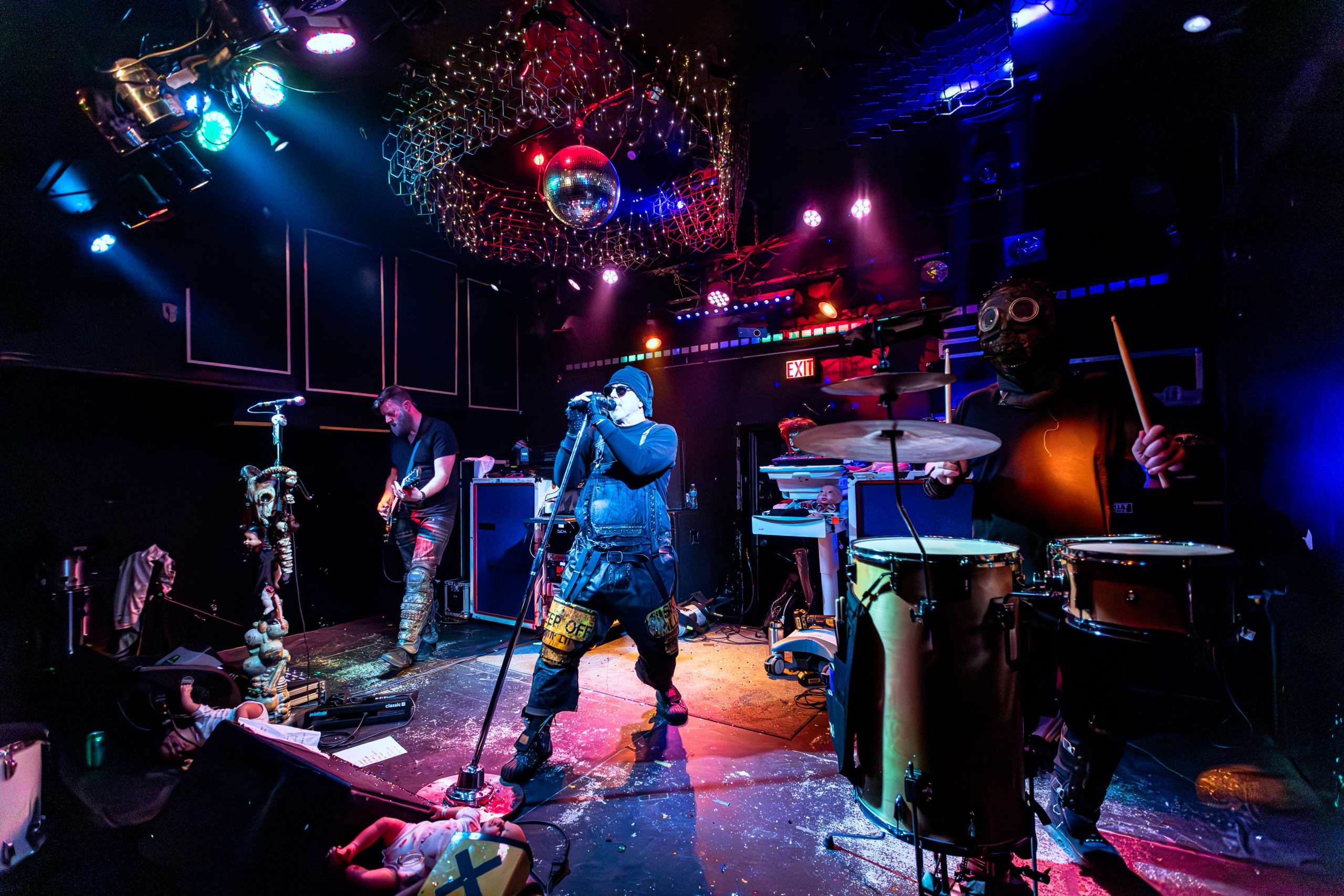
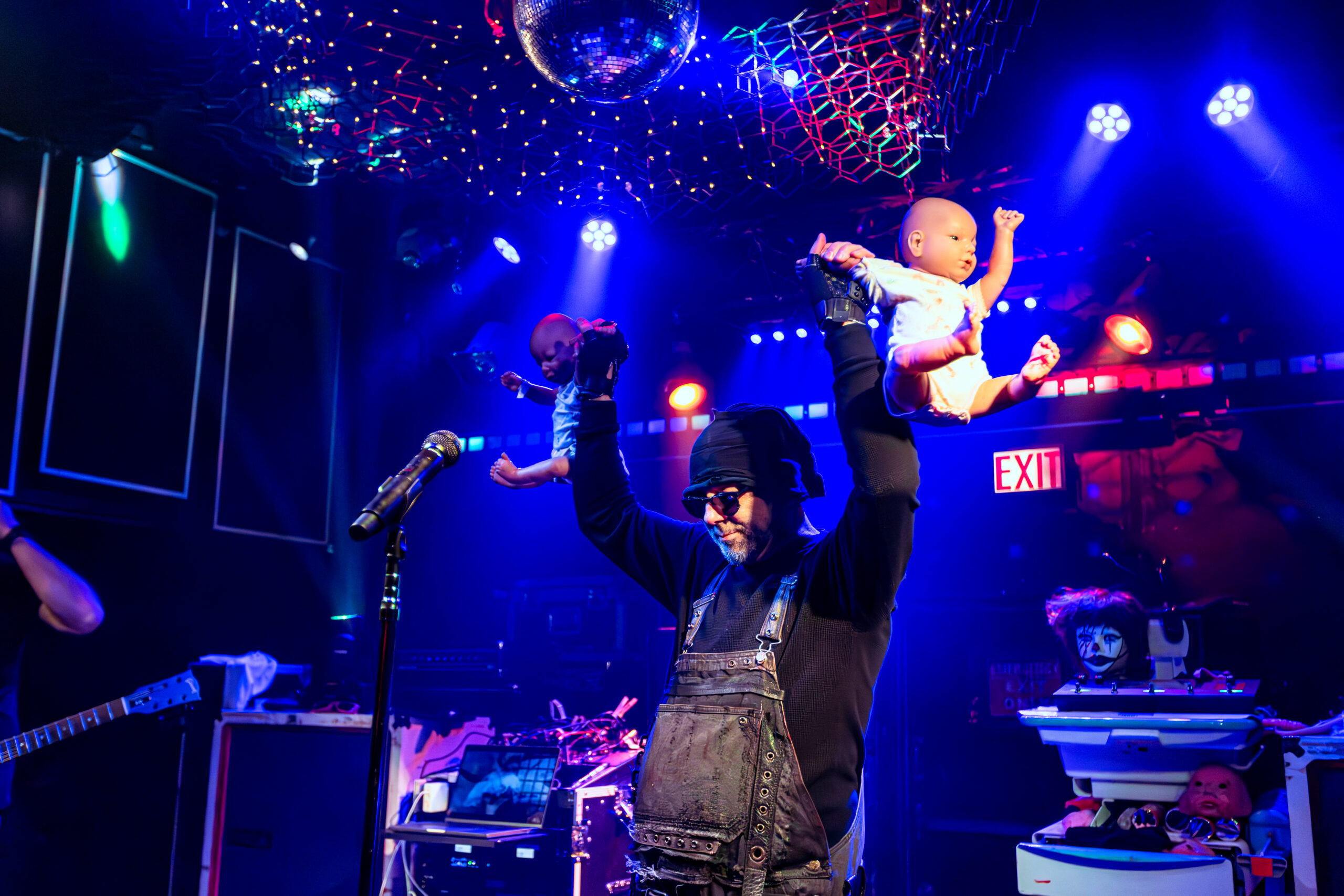
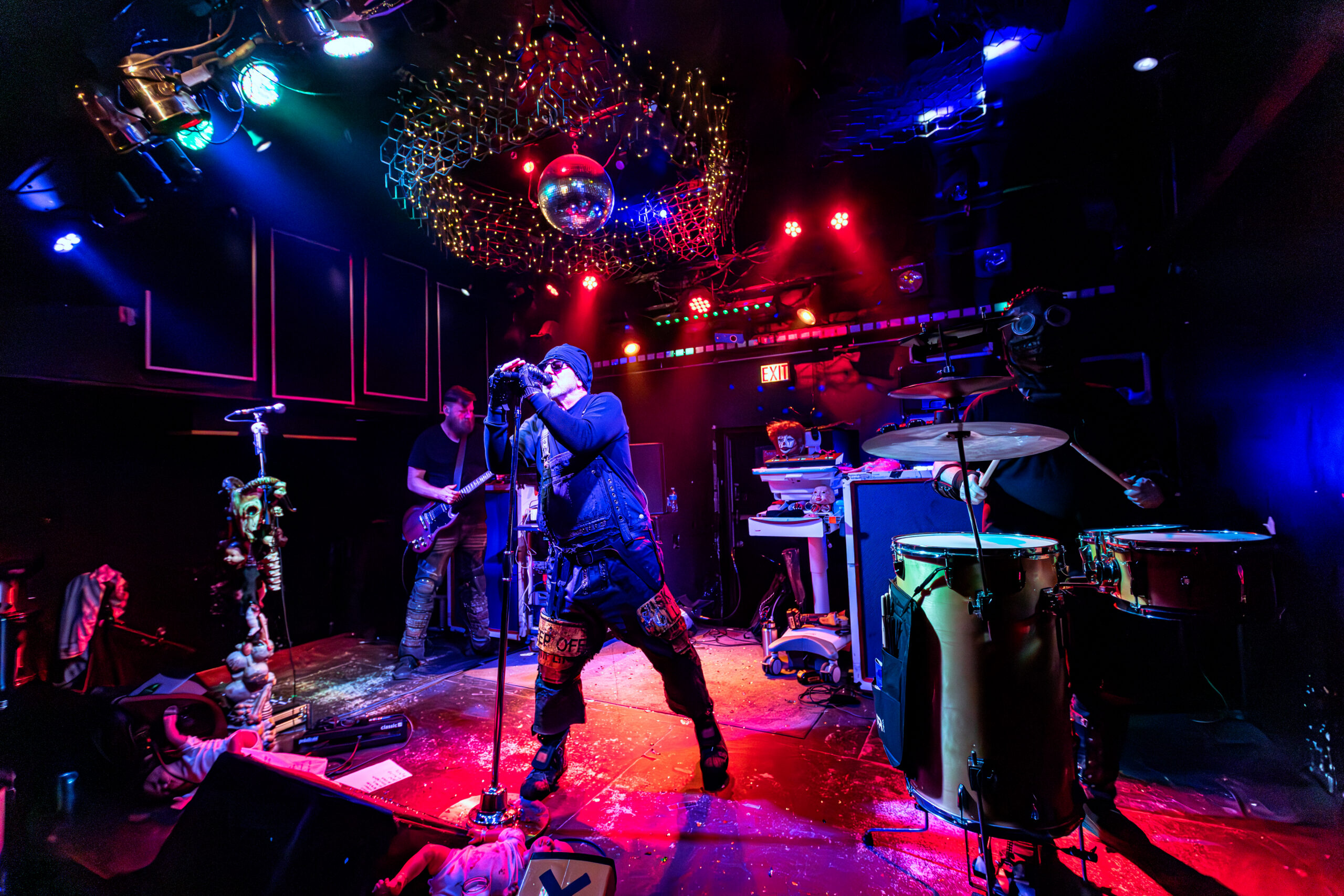
From the first blaring feedback of Chemical Imbalance, it was clear this wasn’t going to be a phone-it-in reunion. The Skatenigs played like a band on fire, like the setlist was written in gasoline. Phil Owen stalked the stage like a caged animal—wide-eyed, grinning, and completely in control of the chaos. There’s a reason he’s become a cult frontman: the man doesn’t perform at the audience, he performs with us—sometimes literally on us.
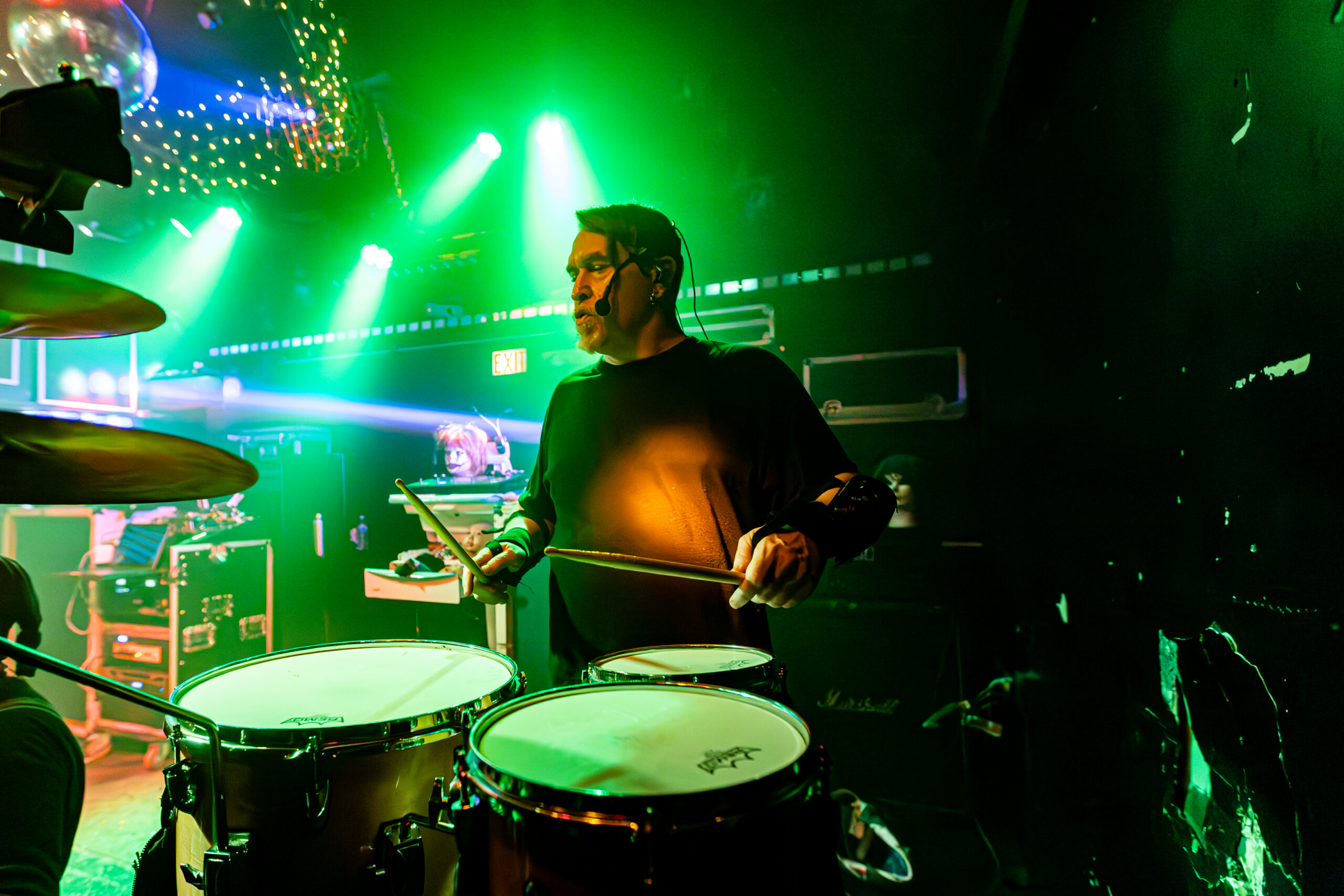
Guitarist Chris Ahrens was a sonic bulldozer, slinging razor-wire riffs with punk economy and metal weight. His guitar tone was thick, crunchy, and mean, cutting through the tightly packed room like a buzzsaw. The band’s rhythm section—tight as hell—kept the set locked in with a mechanical grind that still had swing, like Ministry after a case of Lone Star and a fistfight.
The full run-through of their 1992 album Stupid People Shouldn't Breed wasn’t just a gimmick—it felt like a mission. Pound Sauce landed with a sinister stomp, its industrial undercurrent pulsating through the floor. Horny for Evil turned the room into a sex-death circus, part satire, part sincere, and all adrenaline.
But it was Fight da Suckas that stood out. The song, both sleazy and anthemic, brought the entire room into unison—sweaty bodies bouncing and shouting back every lyric. At that moment, the walls might as well have been melting.
In between songs, Owen fired off jokes like a politically incorrect preacher. They were not here to reminisce; they were here to reignite, and damn if that didn’t feel true. His voice—equal parts growl, bark, and twisted sneer—has aged like whiskey in a dumpster: rough, potent, and still dangerous.
One thing that sets the Skatenigs apart live is their ability to turn chaos into theater. There’s a sense of spectacle to what they do—but it never feels scripted. They even let the audience join in by playing drums on the floor along with the band.
Despite the grimy, confrontational aesthetic, there’s a level of craftsmanship to what the Skatenigs do that doesn’t get talked about enough. The set was paced like a good punk record—no filler, no downtime. They took us from aggressive industrial stompers to groove-laced breakdowns without a single moment dragging.
And they still sound huge. Each sample and backing track was tight, locked into the live performance seamlessly. Everything felt authentic and genuine, not just nostalgic. It was real. It was loud. It was alive.
It’s easy to treat bands like the Skatenigs as relics of a dirtier, more dangerous time in underground music. But after this show, that narrative feels insulting. They’re not just survivors. They’re still thriving in their element—angrier, funnier, tighter, and more relevant than ever. This wasn’t a reunion. This was a resurgence. It wasn’t a show. It was a f***ing incident.